
Pakistan Tech Surveillance Watch
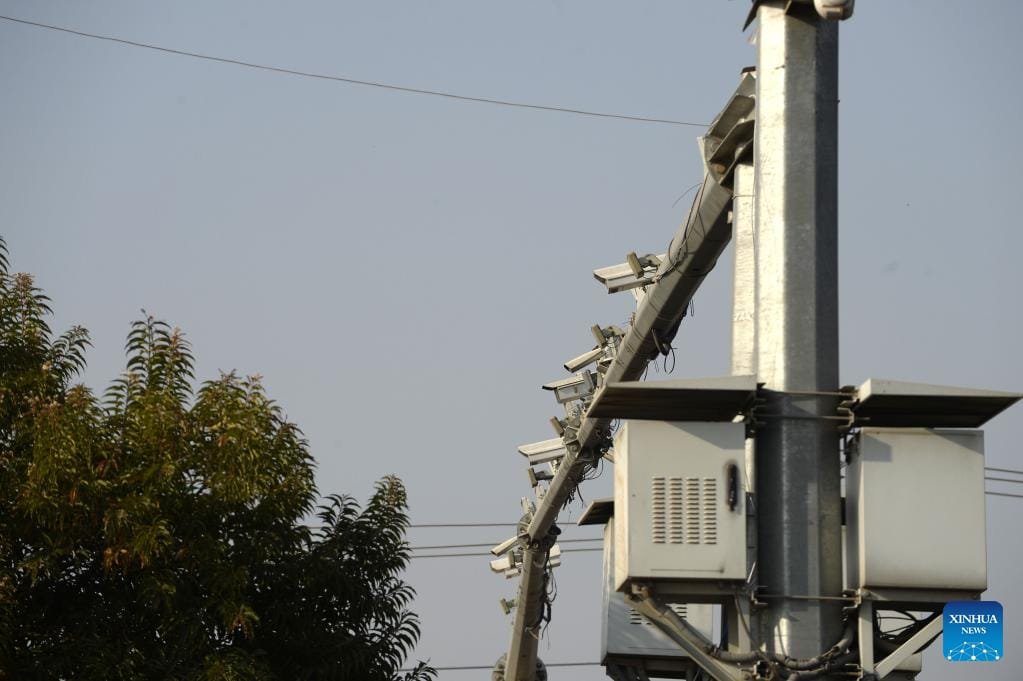
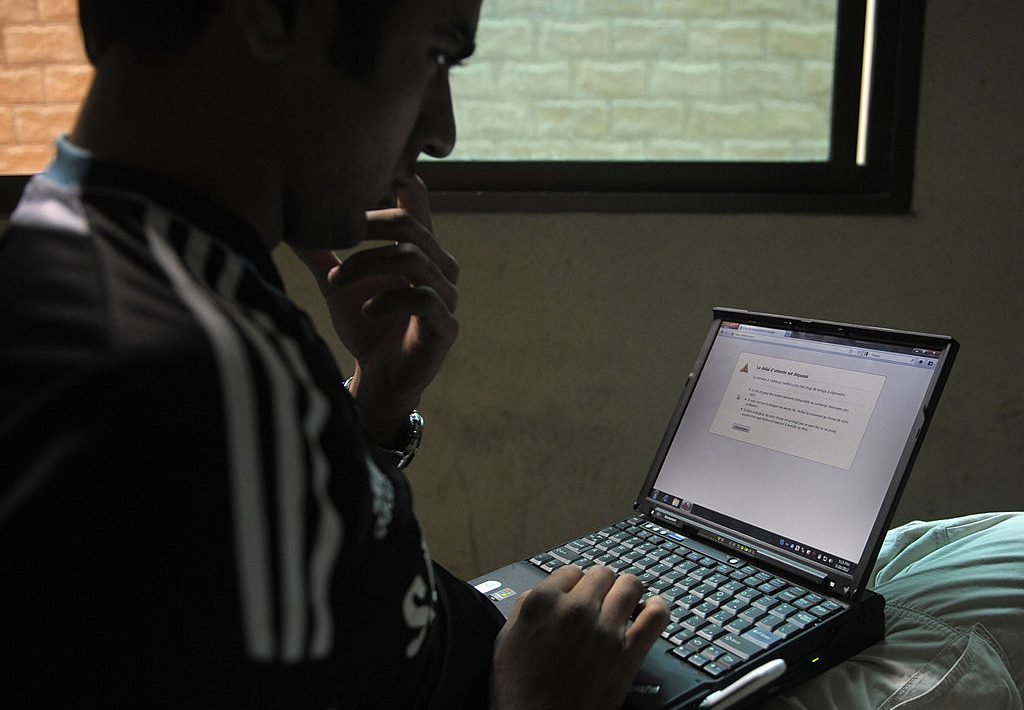
In recent years, Pakistan has witnessed a rapid expansion of state surveillance technologies – from mass data collection systems and social media monitoring tools to frequent internet shutdowns. While these measures are often justified in the name of “security” or “public order,” they raise urgent questions about privacy, accountability, and digital rights. This project maps Pakistan’s growing surveillance ecosystem – tracing government purchases of surveillance technology, documenting incidents of internet shutdowns, and highlighting their human and social impact. By bringing together verified data and interactive visualizations, the site aims to make opaque systems of control visible to the public.
Data Breakdown
Longest Shutdown in Duration (days)
Province With Most Shutdowns
Total Population Affected (2024)
Total Duration Across Country (hours)
Economic Losses (USD)
Shutdowns in Last 2 Years
Timeline

8th February 2024:
General elections were held in Pakistan under heightened tension. On election day, many citizens reported that mobile services and some internet platforms were disrupted or under surveillance. The government cited concerns over security and misinformation, but many saw the restrictions as a way to control information flow long enough to influence public opinion.
21st May 2024:
Public anger boiled over as the Jammu Kashmir Joint Action Committee (JAAC) called for protests due to skyrocketing electricity bills, cuts in flour subsidies, and general inflation. In Azad Jammu and Kashmir, the protests included large shutter-downs and roadblocks. The authorities responded with limits on internet and social media access to hinder protest mobilization and reduce real-time reporting. Eventually, the government agreed to reduce electricity tariffs.
17th June 2024:
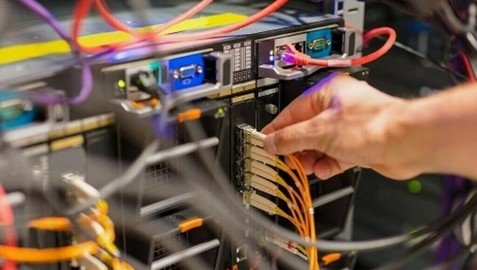
A fault developed in the SMW4 submarine cable - one of the major undersea cables that link Pakistan to the global internet infrastructure. This resulted in slower internet speeds, increased latency, and intermittent disruptions, especially for international traffic. Many users had trouble streaming or connecting to outside services, impacting businesses and communication.
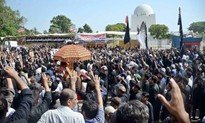
17th July 2024:
On the day of Ashura, a major religious commemoration for Shia Muslims, authorities preemptively suspended or limited mobile and internet services in certain regions. The rationale was security: to prevent mobilization, rumors, or unrest, especially because large gatherings were expected
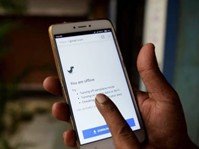
23rd July 2024:
In a test-run of a new national firewall system (most probably from China), internet service providers reported social media platforms slowing dramatically. Some content loading was delayed, video streams buffered heavily, and sites were intermittently unreachable. It became clear that the trial had unintended (or intended) consequences: reduced user access, censorship, and degraded service quality. This event raised concerns about future use of such systems for heavy control.
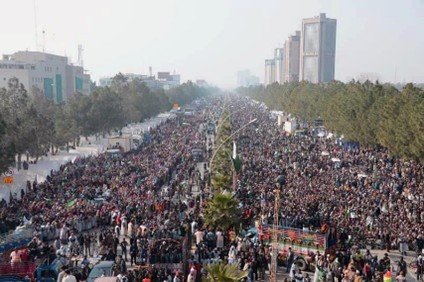
4th October 2024:
A protest in D-Chowk escalated into violence when security forces clashed with protesters. Alongside the crackdown, authorities imposed restrictions on internet access: mobile networks were throttled, some social media platforms were temporarily blocked, and monitoring of online messages increased. The goal-according to some officials-was maintaining order, but critics argued it was about stifling dissent.
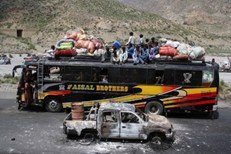
14th November 2024:
Following a surge in terrorist attacks in Balochistan, the Pakistan Telecommunication Authority (PTA), under orders from security agencies, temporarily suspended mobile internet services in several districts. The shutdown affected regions including Makran, Awaran, Chagai, Kharan, parts of Khuzdar, Kalat, Bolan, Harnai, Duki, among others. Authorities claimed the restriction was necessary to maintain public safety and support the ongoing security operations. Critics, however, argue it hindered normal communication, prevented people from reporting events in real time, and limited transparency over what was unfolding.
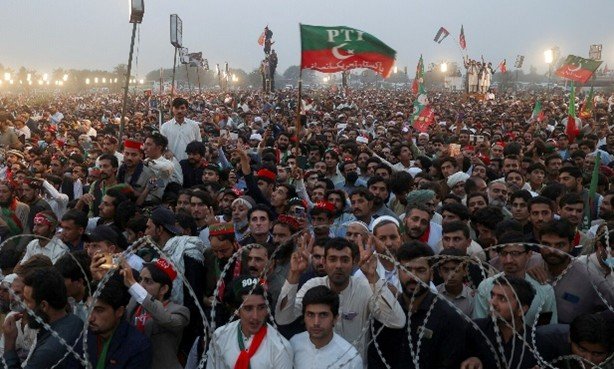
23rd November 2024:
Intense protests erupted in Islamabad following the imprisonment of a major political leader. Crowds gathered, public sentiment was heated. In response, authorities restricted internet traffic-social media platforms became less reliable, images/videos were slow to upload, and some mobile data connections were unreliable. These digital restrictions were seen by many as attempts to disrupt protest coordination and to limit the story reaching wider audiences.

13th Jan – 23rd Jan 2025:
A week-long period of protests by the Baloch Youth Council (BYC) and remembrance actions for those who died or disappeared under enforced systems. Several regions with Baloch populations saw preemptive internet slowdowns or partial shutdowns. Evidence suggests authorities used digital observation and even phone tapping to monitor protest leaders, as part of a broader campaign to silence activists.
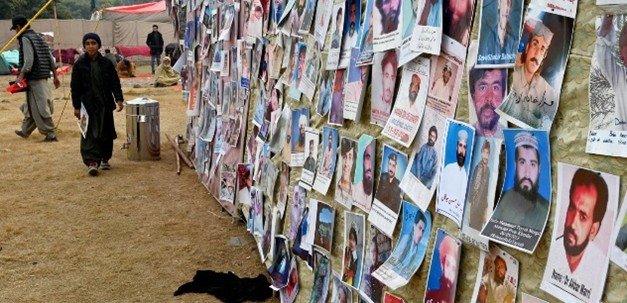
3rd April 2025:
Further protests by BYC focused on ongoing grievances over missing persons and human rights abuses. The state again used digital control: some sites were blocked locally; mobile data limits imposed; and in some protest zones, even text messaging services were disrupted.
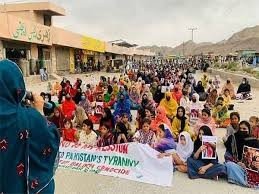
24th May 2025:
In Khuzdar, a wave of protests demanded action on enforced disappearances. Social media played a big role in raising awareness, but authorities responded by cutting connectivity in certain areas, disrupting mobile network coverage, and making it hard for journalists to report.
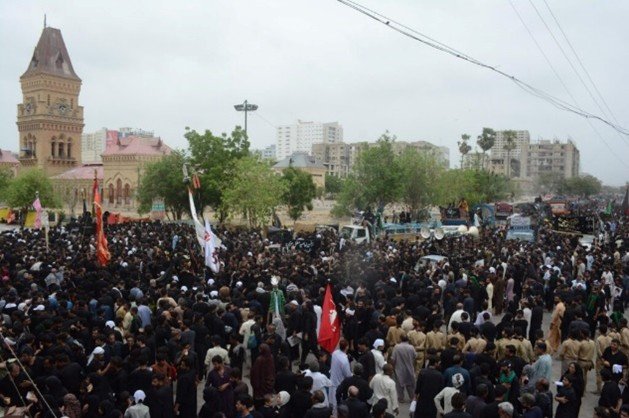
6th July 2025:
On 10th Muharram, widespread concerns over security led to pre-emptive restrictions. Mobile and data services saw throttling; in certain neighborhoods, full blackouts were reported. The move was defended by officials as a measure to prevent misuse of communications during religious observance.
9th August 2025:
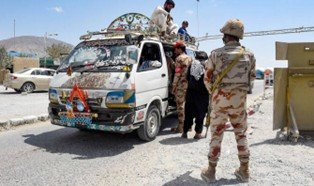
A spate of coordinated terror attacks across the province created a major security crisis. Authorities in affected areas disabled or severely restricted internet access to prevent messaging, coordination by attackers, and spread of panic. Telecommunication infrastructure in some hot zones was physically shut down or demobilized temporarily
19th August 2025:
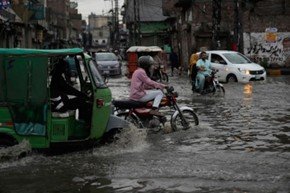
Severe weather - including storms/heavy rainfall - impacted connectivity. Reports came in of Ufone and PTCL network failures. Undersea cable connections were disrupted, ancillary infrastructure (cell towers, fiber lines) were damaged or flooded. Users in urban and rural areas alike found themselves offline or dealing with extremely slow speeds mainly due to urban flooding.

6th September 2025:
A cable cut near Jeddah, Saudi Arabia - part of critical undersea internet infrastructure connecting multiple countries - led to international bandwidth loss for Pakistan. This caused slower web traffic, delays in loading international services, and frequent outages for sites hosted abroad. Local ISPs scrambled to reroute traffic via alternate paths, but many users still felt the pinch.
28th September 2025:
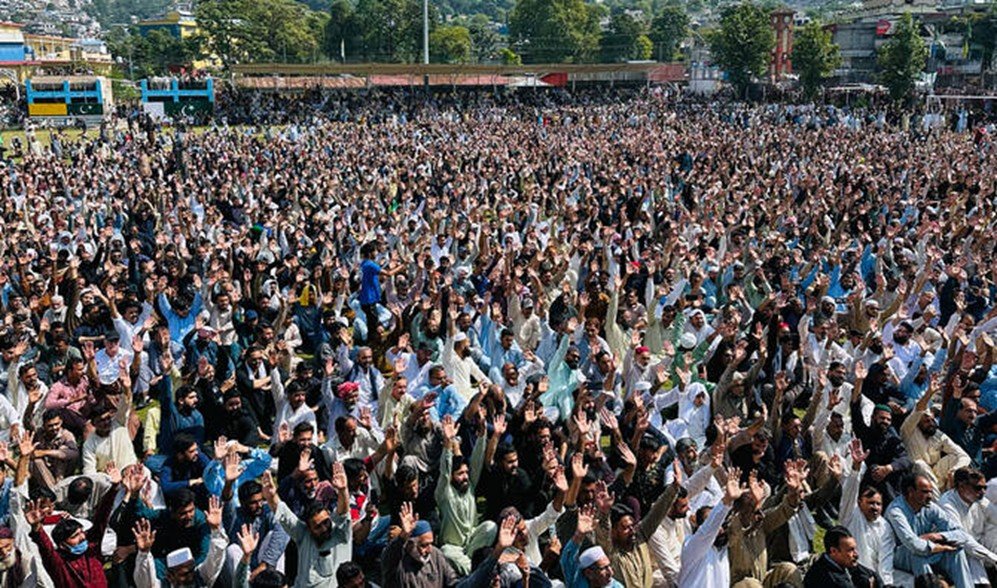
A “Shutterdown and Wheel Jam” strike led by JAAC disrupted transport, business, and public life. Ahead of and during the protests, authorities imposed throttling on mobile networks and social media platforms. In some cases, mobile services were shut off altogether in protest zones to prevent coordination and reduce protester turnout.